In the push to release software faster, engineering teams are constantly looking for ways to streamline their software testing life cycle. Often, QA Managers and VPs of Engineering look at their extensive suites of Selenium, Cypress, or Playwright tests and ask a seemingly logical question: “If our QA automation clicks every button and fills out every form, isn't that catching our security bugs too?”
The short answer is a definitive no.
While QA automation is brilliant for verifying that an application behaves as intended, it is fundamentally ill-equipped to determine if an application can be forced to behave maliciously. This confusion between functional validation and adversarial exploitation creates massive blind spots in modern CI/CD pipelines. This article clarifies the critical differences between QA vs Security testing, explains why your test engineers shouldn't be burdened with penetration testing duties, and advocates for integrating an automated vulnerability scanner, like Axeploit, to build truly resilient DevSecOps workflows.
The Fundamental Divide: QA vs Security Testing
To understand why a QA team cannot replace a dedicated security tool, we have to look at the core philosophy driving each discipline. The difference is not just semantic; it dictates how tests are written, how the application is approached, and what constitutes a “passed” test.
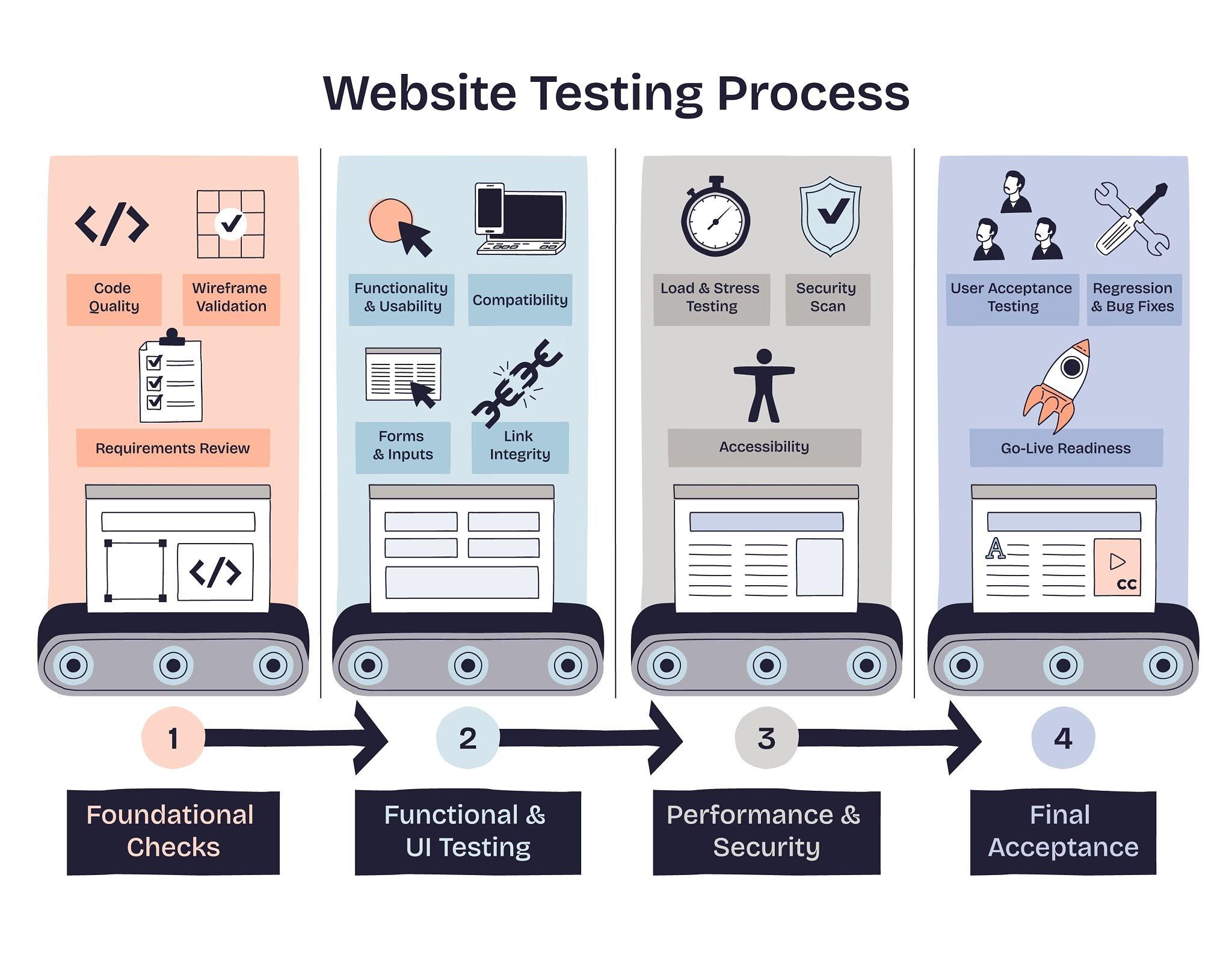
QA vs. Security Testing: Functional validation vs. non-functional exploitation. Source: VectorMine / Getty Images
Functional Testing: “Does the app do what it should?”
QA engineering is focused on the “happy paths” and predictable edge cases. A QA test asks: If a user enters a valid email and a correct password, do they successfully log in and reach the dashboard?
When writing a Cypress script, the QA engineer’s goal is to ensure business logic flows correctly. They verify that the shopping cart updates, the API returns a 200 OK, and the UI renders properly on mobile. The focus is on usability, reliability, and ensuring the software meets the product requirements.
Security Testing: “Can the app be forced to do what it shouldn't?”
Security vs functional testing diverges entirely here. A security test doesn't care if the login button works correctly; it cares about what happens when the login mechanism is deliberately abused.
An adversarial security test asks:
- What happens if I intercept the API request and change the user_role parameter from “customer” to “admin”?
- If I input <script>alert(document.cookie)</script> into the username field, does the server sanitize it, or does it execute a Cross-Site Scripting (XSS) payload?
- Can I bypass the email verification step entirely by dropping the subsequent API call?
QA tests prove the presence of expected behavior. Security tests prove the absence of exploitable behavior. You cannot use a tool designed for the former to guarantee the latter.
The Limitations of QA Automation in Security
It is tempting to simply ask the QA team to add a few "security checks" to their existing test suites. However, expecting QA engineers to double as security researchers is both inefficient and dangerous.
1. The Payload Problem
A QA test suite relies on predefined data sets, known inputs that produce known outputs. Security testing, however, requires dynamic, mutated payloads designed to bypass validation layers.
For example, testing for SQL Injection (SQLi) isn't as simple as typing ' OR 1=1 -- into a search bar. Modern applications use Web Application Firewalls (WAFs) and Object-Relational Mappers (ORMs). An attacker (and a good security scanner) will use complex, obfuscated payloads, timing-based attacks, and blind SQLi techniques to extract data. A Selenium script is simply not built to iteratively fuzz an input field with 5,000 different mutated payloads to see which one triggers a 5-second database delay.
2. State Manipulation and Business Logic
QA automation typically interacts with the application through the frontend UI, exactly as a user would.
Security vulnerabilities, particularly business logic flaws, often exist in the spaces between the UI and the backend. An attacker will intercept the traffic using a proxy, manipulating the state of the application in ways the frontend would never normally allow. A Cypress test cannot easily test for Insecure Direct Object References (IDOR) by dynamically swapping out sequential user IDs in a hidden API header, but an automated vulnerability scanner does exactly this by default.
3. The Evolving Threat Landscape
QA engineers are experts in your product's architecture and user flow. They are generally not experts in the latest zero-day vulnerabilities, cryptographic downgrade attacks, or OAuth state manipulation techniques. The threat landscape evolves daily. Expecting a QA team to manually update their test scripts to account for the newest Common Vulnerabilities and Exposures (CVEs) is an impossible task that distracts them from their primary goal: ensuring a quality user experience.
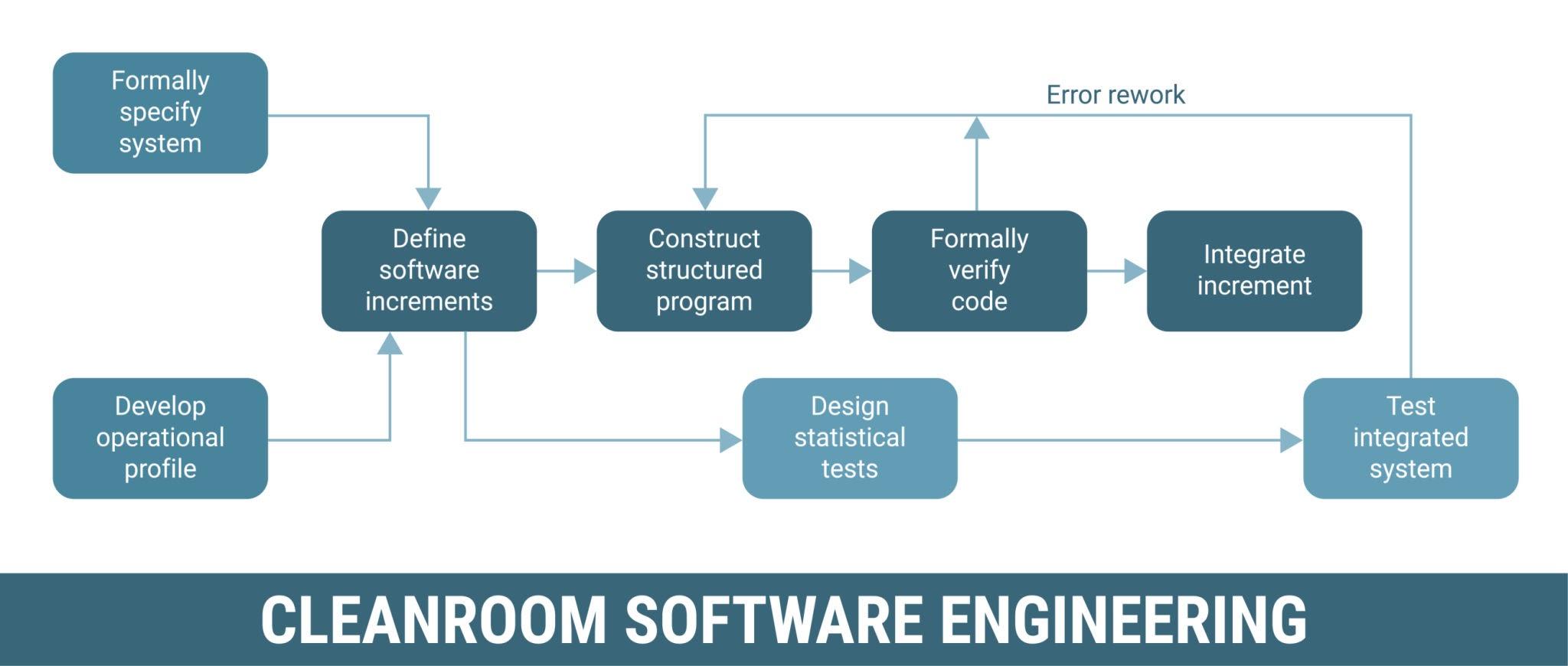
The Software Testing Life Cycle: Integrating distinct QA and Security phases. Source: KostiantynL / Getty Images
The Layered Approach: Building Modern DevSecOps Workflows
Recognizing that QA and security serve different, complementary purposes is the first step toward building a mature engineering culture. The solution is not to replace QA, but to empower them by offloading the adversarial work to specialized, autonomous tools.
In a modern software testing life cycle, you need a layered approach.
- Unit and Integration Testing (Engineering): Developers ensure individual functions and microservices operate correctly in isolation.
- QA Automation (QA Team): Testers ensure the integrated application meets business requirements, user flows are smooth, and regressions are caught before release.
- Dynamic Security Testing (Automated Scanners): Autonomous security agents continuously probe the application for vulnerabilities, logic flaws, and misconfigurations.
Where Axeploit Fits In
This is where platforms like Axeploit become critical to scaling your DevSecOps workflows. Axeploit does not replace your QA automation; it operates in parallel as an autonomous, adversarial counterpart.
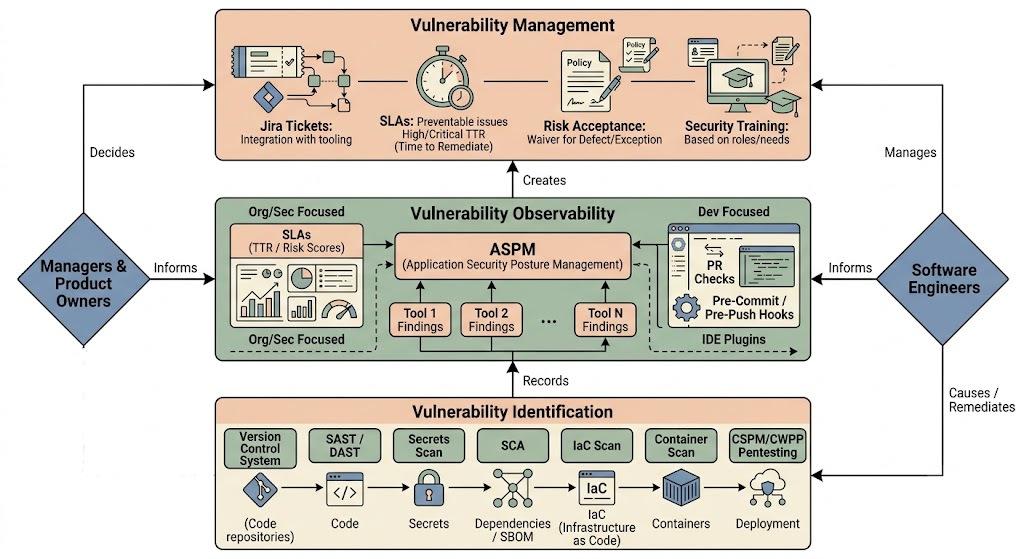
Modern DevSecOps: Axeploit operates in parallel to QA, hunting for exploit vectors. Source: GitGuardian Blog
While your QA team’s Playwright scripts verify that the checkout process completes successfully, Axeploit’s AI security agents are actively:
- Fuzzing API Endpoints: Generating thousands of mutated payloads to discover hidden SQLi, XSS, and Server-Side Request Forgery (SSRF) vulnerabilities.
- Testing Authentication Boundaries: Attempting to bypass MFA, manipulate JWT tokens, and exploit OAuth misconfigurations, tests that are notoriously difficult to automate with standard QA tools.
- Providing Verified PoCs: Axeploit doesn’t just guess; it actively attempts to exploit the vulnerabilities it finds. When it delivers an alert to your engineering team, it includes a verified Proof of Concept (PoC). This “No Exploit, No Report” approach ensures your developers aren't wasting time chasing false positives.
By integrating Axeploit directly into your CI/CD pipeline, you provide your Release Managers with the confidence that code is not only functionally sound but cryptographically and structurally secure.
Conclusion
The distinction between QA vs Security testing is the difference between ensuring a door opens smoothly and ensuring its lock cannot be picked. While your QA team is vital for maintaining product quality and ensuring user satisfaction, they are not equipped, and should not be expected, to act as your frontline defense against dedicated threat actors. Relying on functional automation scripts to catch adversarial exploits creates a false sense of security that ultimately leads to enterprise breaches.
VP of Engineering and Release Managers must adopt a parallel strategy. Let your QA team focus on what they do best: verifying the “happy paths” and ensuring the software delivers on its business promises. Simultaneously, deploy an automated vulnerability scanner like Axeploit to act as your continuous, adversarial red team. By integrating intelligent, autonomous security agents into your DevSecOps workflows, you can achieve high-velocity releases without compromising on the deep, rigorous security testing required in the modern threat landscape.