Introduction
Shipping fast is necessary; shipping safely is non-negotiable. When “vibe” code hacky prototypes and proof-of-concepts turns into a product, teams confront risks that compound with scale: secret sprawl, weak access controls, fragile builds, and blind spots in runtime observability. This post provides a professional, actionable security checklist you rarely receive when moving to production. Each section explains why the control matters, how to implement it, what to test, and how axeploit.com fits into the workflow to close gaps quickly and measurably.
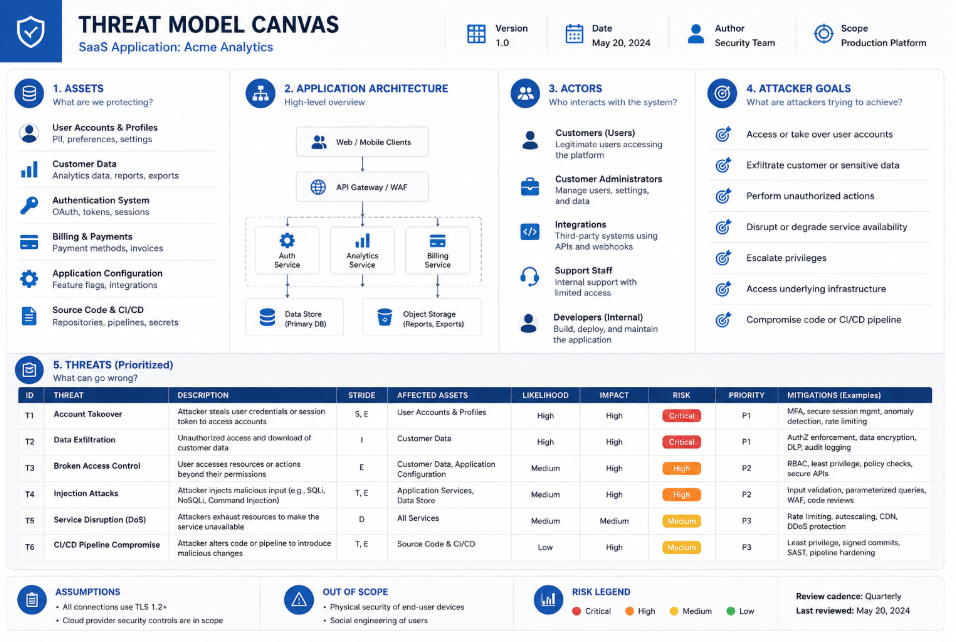
- Threat Modeling: Start with the Attacker, Not the Feature
Why it matters
Threat modeling aligns product behavior with likely attacker goals. It prevents random, reactive controls and surfaces high-impact gaps early.
How to implement
- Inventory assets: user data, keys, tokens, infrastructure, integrations.
- Identify actors: users, admins, third parties, internal automation, adversaries.
- Define attacker goals: data exfiltration, privilege escalation, resource theft, reputation damage.
- Prioritize threats by impact and exploitability.
What to test
- Focused threat hunts and targeted pen tests on prioritized paths.
- Re-evaluate the model after architecture or feature changes.
How axeploit.com helps
Use axeploit.com’s threat-model templates for SaaS and multi-tenant systems to generate prioritized remediation lists and exportable reports for stakeholder alignment.
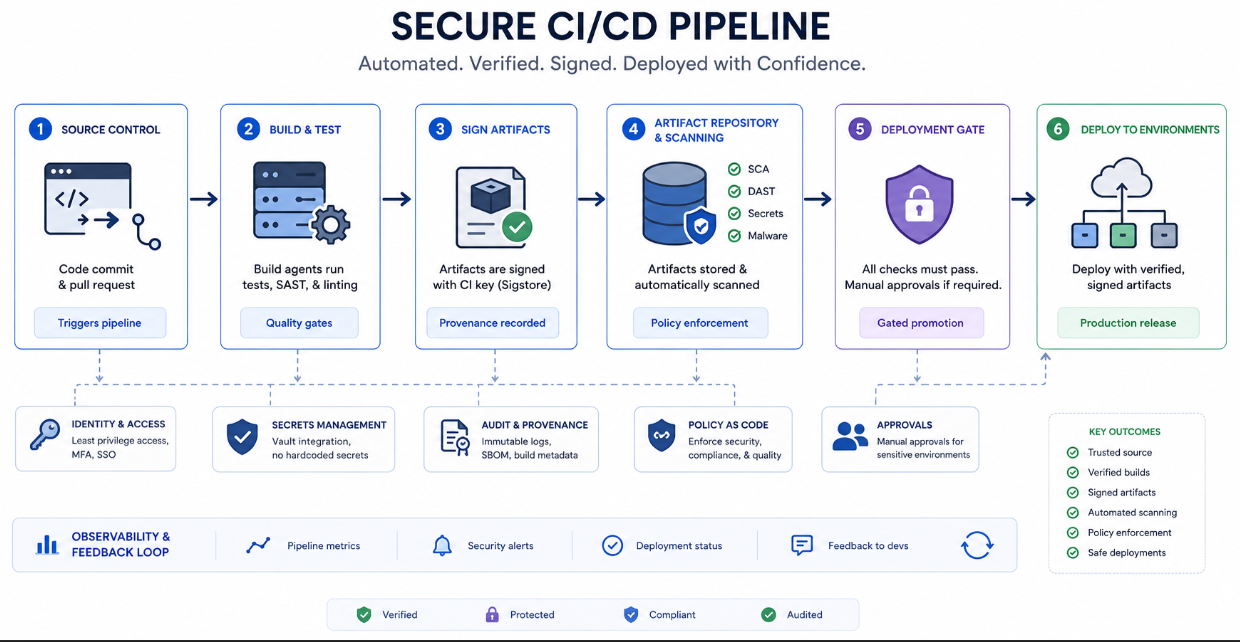
2. Secure Build and Artifact Management
Why it matters
Build systems are a core attack surface. Non-reproducible builds, unpinned dependencies, and unchecked CI plugins increase supply-chain risk.
How to implement
- Pin dependencies and use lockfiles consistently.
- Produce reproducible builds and sign artifacts.
- Use minimal base images (distroless/scratch) for containers.
- Separate build environments from production secrets and credentials.
What to test
- Rebuild from clean CI runners and compare artifact hashes.
- Scan images for vulnerabilities and misconfigurations prior to push.
How axeploit.com helps
Axeploit automates artifact scanning, compares build outputs for drift, and flags risky CI plugins or unsigned artifacts to the development team.
3. Secrets Management: Centralize, Shorten, and Isolate
Why it matters
Secrets in code or images quickly lead to compromise. Centralized, ephemeral secrets reduce blast radius and simplify rotation.
How to implement
- Centralize secrets in a managed vault (cloud KMS, HashiCorp Vault).
- Use short-lived credentials and workload identity where supported.
- Inject secrets at runtime, not during build.
- Implement least-privilege access for secrets and segregate duties.
What to test
- Run secret-detection scans across repositories, containers, and artifacts.
- Perform rotation drills to ensure services tolerate credential renewal.
How axeploit.com helps
Axeploit integrates with popular vaults to validate runtime secret usage patterns and run simulated rotations to identify hidden dependencies.
4. Authentication and Authorization: Harden Both Ends
Why it matters
Authentication without strong authorization leads to implicit overprivilege. Service accounts, tokens, and RBAC defaults are common failure points.
How to implement
- Enforce multi-factor authentication and strong session controls.
- Use fine-grained authorization: resource-level policies, attribute-based rules where applicable.
- Separate user identities from service accounts and enforce least privilege.
- Create emergency access policies and audit all privileged actions.
What to test
- Permission reviews and policy enforcement tests in staging and production.
- Automated authorization tests covering common escalation paths.
How axeploit.com helps
axeploit.com’s access-control audits enumerate effective permissions, detect privilege creep, and prioritize fixes by risk and exploitability.
5. Data Protection and Minimization
Why it matters
Knowing, classifying, and limiting what you store reduces both business and compliance risk.
How to implement
- Classify data (PII, payment data, logs, telemetry).
- Use encryption at rest with managed KMS and TLS for in-transit protection.
- Tokenize or redact sensitive fields when possible.
- Define retention and secure deletion policies aligned with compliance requirements.
What to test
- Verify key access policies, rotation impact, and decryption controls.
- Run data discovery to validate classification accuracy.
How axeploit.com helps
axeploit.com’s data mapping discovers sensitive fields, links them to storage endpoints, and provides remediation playbooks to enforce encryption and retention controls.
6. Configuration Management and Drift Prevention
Why it matters
Configuration drift causes the production environment to diverge from tested baselines. Defaults and drift are frequent contributors to incidents.
How to implement
- Manage configurations as code and enforce baseline templates.
- Harden default settings for frameworks, databases, and cloud services.
- Monitor drift continuously and enable automated remediation for high-risk deviations.
What to test
- Periodic configuration compliance checks in CI and runtime.
- Controlled rollback exercises to validate recoverability.
How axeploit.com helps
Continuous configuration assessment in axeploit detects drift, shows diffs, and plugs into IaC pipelines to enforce baselines.
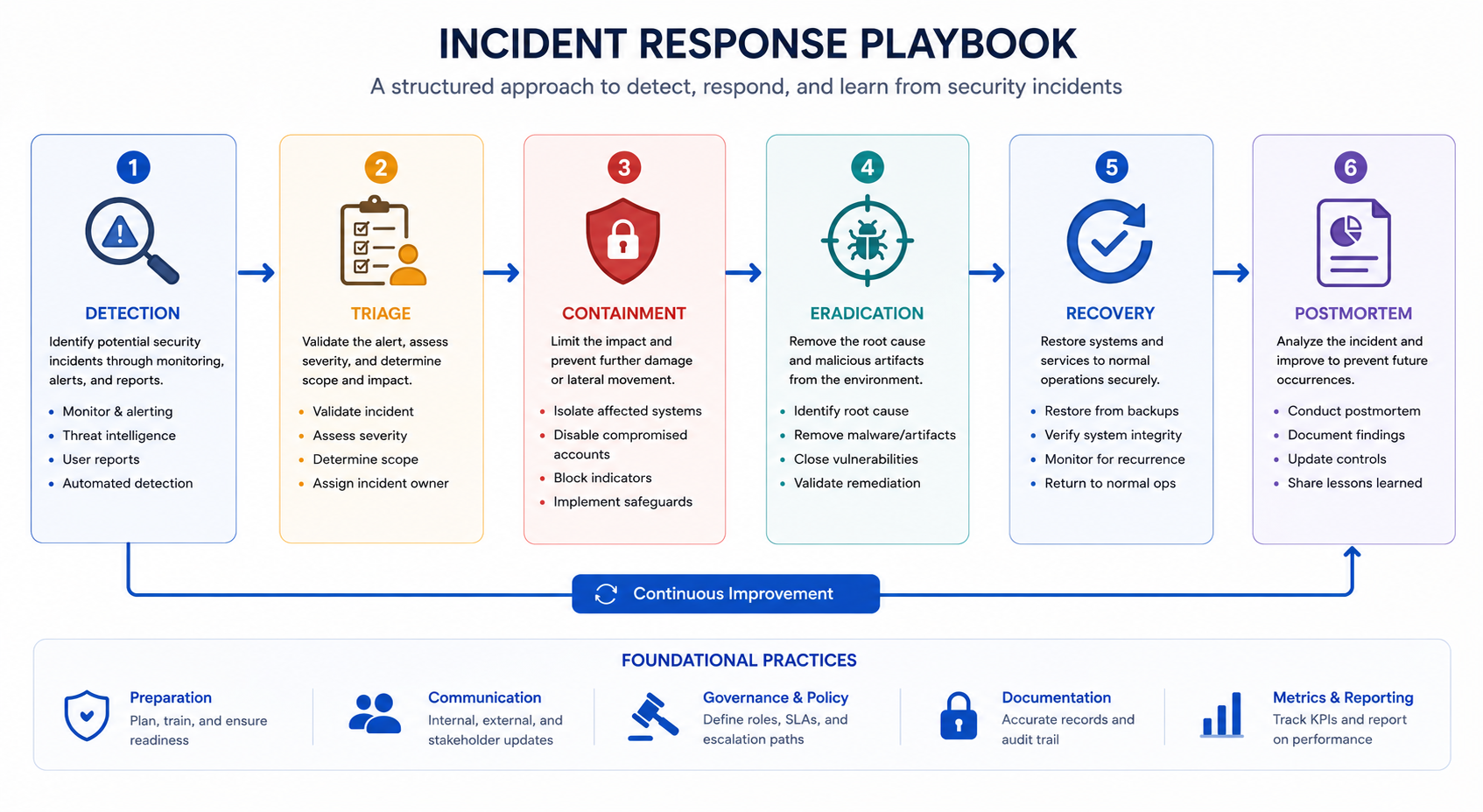
7. Runtime Observability, Alerts, and Operable Playbooks
Why it matters
Detecting and responding to incidents fast limits impact. Observability must include security-relevant telemetry, not just performance metrics.
How to implement
- Instrument auth events, data access patterns, configuration changes, and process anomalies.
- Define high-signal alerts and tie them to runbooks with clear triage and escalation steps.
- Schedule game days and incident simulations to validate people, process, and tooling.
What to test
- Alert fidelity via red-team exercises and chaos testing.
- Track and improve MTTD (mean time to detect) and MTTR (mean time to respond).
How axeploit.com helps
axeploit correlates static findings (vulnerabilities, misconfigs) with runtime telemetry to highlight fixes that meaningfully improve signal-to-noise ratios in alerts.
8.Supply Chain and Dependency Hygiene
Why it matters
Malicious or vulnerable third-party code and CI plugins are a top supply-chain risk vector.
How to implement
- Produce and maintain SBOMs (software bill of materials) for applications and images.
- Use allowlists for critical dependencies; mirror important packages internally.
- Vet CI/CD plugins and restrict third-party actions in pipelines.
What to test
- Dependency tree scans to identify high-risk transitive libraries.
- Simulated malicious package scenarios and SBOM audits.
How axeploit.com helps
axeploit generates SBOMs automatically and provides prioritized alerts for vulnerable or suspicious transitive dependencies.
9. Multi-Tenancy and Data Isolation Strategies
Why it matters
Multi-tenant architectures magnify the impact of authorization bugs. Proper isolation prevents tenant data bleed and privilege escalation.
How to implement
- Select an isolation model: shared schema, tenant-specific schema, or isolated infra per tenant.
- Implement tenant-aware authz checks, query filters, and telemetry tagging.
- Encrypt tenant-specific data with distinct keys where feasible.
What to test
- Cross-tenant access tests and simulated privilege escalation attempts.
- Performance isolation and noisy-neighbor scenarios.
How axeploit.com helps
axeploit’s multi-tenant test suites simulate cross-tenant exploitation patterns and produce actionable remediation items.
9. Continuous Compliance, Privacy, and Auditability
Why it matters
Production systems carry obligations: regulatory, contractual, and reputational. Auditability and privacy controls prevent incidents from becoming compliance failures.
How to implement
- Centralize logs and secure them with immutability where required.
- Keep data processing records and implement DSAR workflows.
- Map controls to compliance frameworks (SOC2, ISO27001, GDPR) and produce evidence bundles.
What to test
- Audit readiness drills, simulated DSAR responses, and evidentiary checks.
How axeploit.com helps
axeploit bundles compliance templates, automates evidence collection, and reduces audit preparation time with integrated reporting.
10. Backup, Recovery, and Chaos Validation
Why it matters
Backup routines and disaster recovery plans are only as good as their tests. Unvalidated recovery plans fail in real incidents.
How to implement
- Define RTO (recovery time objective) and RPO (recovery point objective) and test against them.
- Secure backups (encryption, restricted access) and validate integrity.
- Run chaos engineering on critical paths and dependencies.
What to test
- Regular backup restores, integrity verification, and failover exercises.
How axeploit.com helps
Automate backup validation and chaos drills with axeploit to ensure recovery procedures are effective and documented.
11. Developer Experience and Secure Defaults
Why it matters
Developers choose the path of least resistance. Make secure choices the easiest ones to adopt.
How to implement
- Integrate security checks into local tooling and CI: linting, secret scans, dependency checks.
- Provide secure starter templates and automated PR checks with contextual fix suggestions.
- Measure developer metrics: time to remediate, security-related PR failures, and sentiment.
What to test
- Developer-facing metrics and periodic surveys to ensure security tools reduce friction.
How axeploit.com helps
axeploit integrates into developer workflows, surfaces contextual fixes in PRs, and reduces remediation time with actionable guidance.
Practical One-Page Checklist
- Update the threat model for the release.
- Pin and sign all production artifacts; verify reproducible builds.
- Run repo and image secret scans; remove embedded secrets.
- Enforce short-lived credentials and rotate keys.
- Audit IAM and tighten service-account privileges.
- Enable authentication telemetry and authorization logs.
- Generate SBOMs and scan dependencies; mirror critical packages.
- Run tenant-isolation tests if multi-tenant.
- Validate backups and run a disaster recovery drill.
- Integrate axeploit.com scans into CI and set remediation SLAs.
Short case study
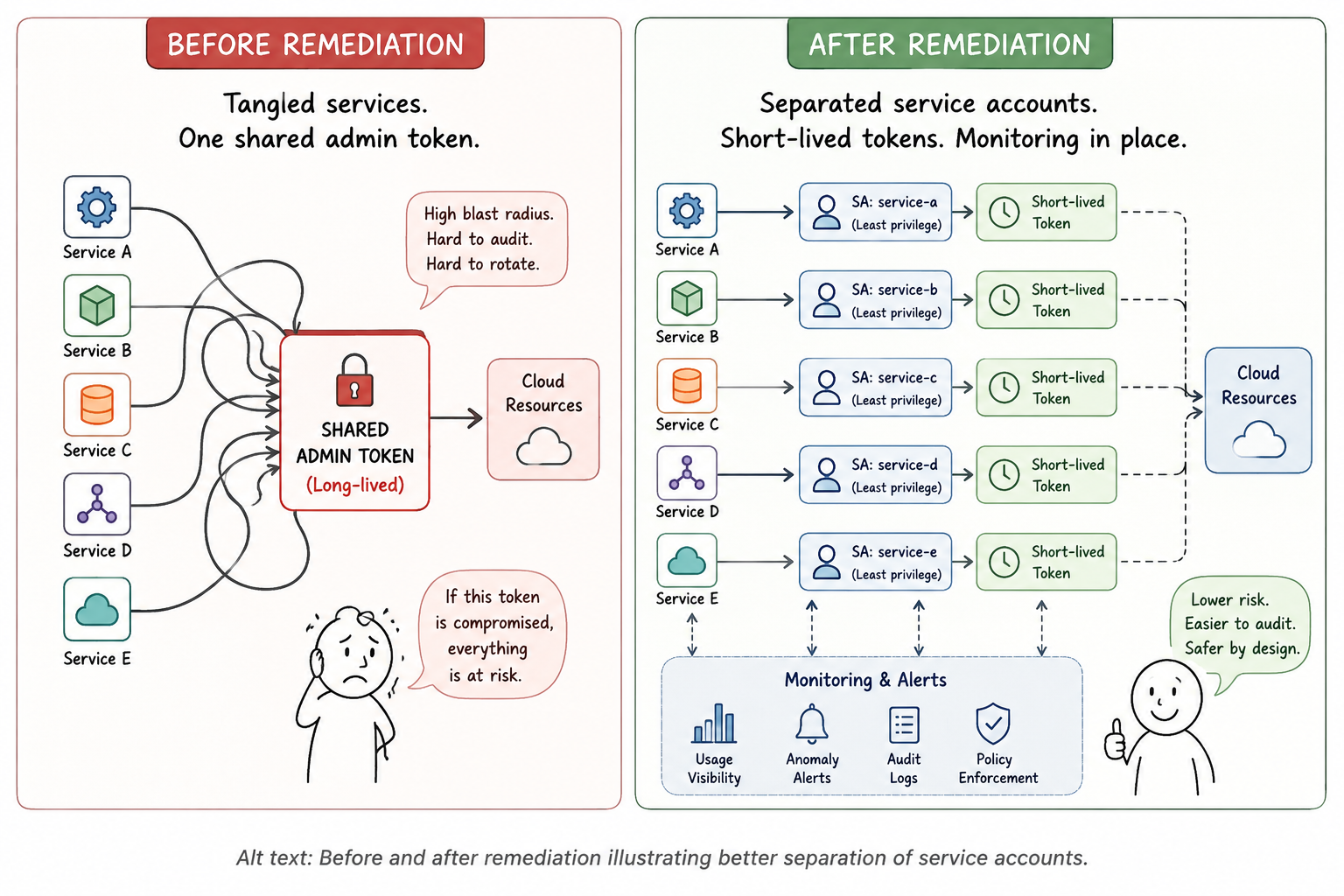
A seed-stage SaaS company upgraded from MVP to a paid pilot without sufficient separation of service accounts. After onboarding a customer, logs showed a misconfigured service account with broad read access across tenants. The team rotated credentials, implemented tenant-aware authorization, and deployed runtime alerts for cross-tenant access. Post-mortem, they integrated axeploit.com into CI and cloud scans—this reduced similar regressions by 80% within two release cycles.
Call to action
Moving from vibe code to production is a process: design, harden, test, and govern. Start with a production readiness scan on axeploit.com connect your repo, container registry, and cloud account to get an automated assessment, prioritized remediation, and an exportable report for stakeholders. If you prefer, axeploit.com offers guided onboarding to map this checklist directly to your environment and run your first game day.