Engineering Managers and DevSecOps teams are currently living in an era of unprecedented development speed. By 2026, AI coding assistants aren't just autocompleting individual lines of text; they are scaffolding entire microservices, building database architectures, and deploying intricate authentication flows with a single prompt. But this extraordinary velocity hides a massive outbound risk: developers blindly trusting AI output. While the generated code might compile flawlessly and pass basic linting, it often introduces silent, structural vulnerabilities deeply embedded in the application's logic.
This is the new and dangerous frontier of AI generated code security. Building on our recent deep dive into the Autonomous IDE problem, engineering organizations need to confront a harsh reality. AI models frequently hallucinate insecure coding patterns that effortlessly bypass traditional Static Application Security Testing (SAST) tools. To prevent catastrophic data breaches, teams must evolve beyond static checks and integrate dynamic, continuous exploitation testing. If you aren't validating AI-written code in motion, you aren't securing it at all.
The Hidden Cost of Velocity in Autonomous IDEs
Just a few years ago, AI in software development acted merely as an advanced spellchecker. Today, the landscape is dominated by autonomous IDEs and agentic coding frameworks that can ingest an entire codebase, interpret Jira tickets, and push fully functional pull requests.
This transformation has shifted the bottleneck of software development. We are no longer constrained by how fast we can write code, but by how fast we can securely review it. When a junior developer uses an AI assistant to generate a complex payment processing module, they are inheriting all the assumptions, biases, and flaws of the underlying Large Language Model (LLM). Because LLMs are trained on billions of lines of public repositories, including millions of lines of outdated, deprecated, and blatantly insecure code, they frequently reproduce those same mistakes.
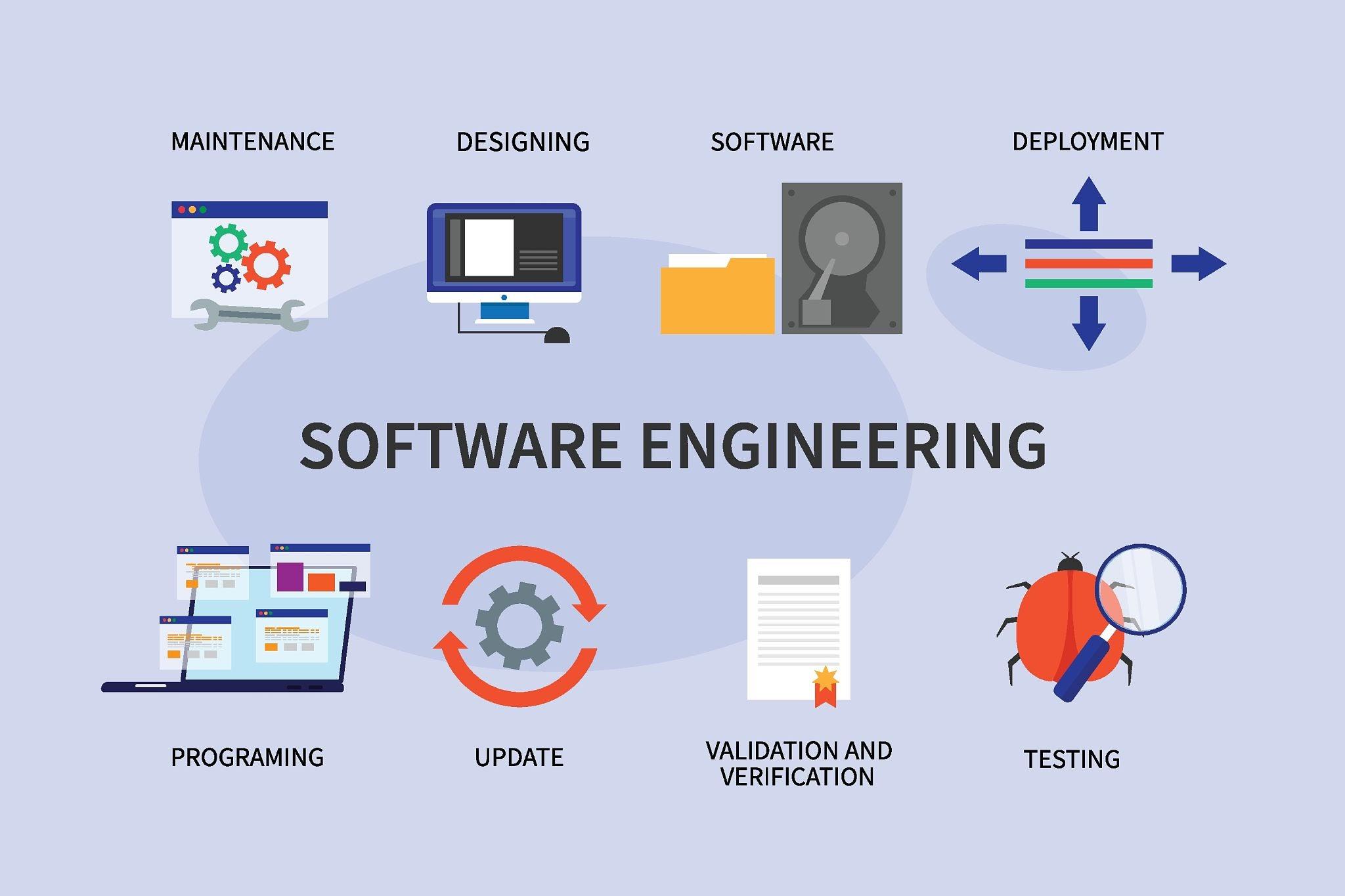
Modern SSDLC with AI Code Generation. Source: Getty Images
The core issue of code generation security is that LLMs optimize for immediate functionality over long-term security. The AI wants the code to work, to pass the unit test, and to satisfy the user's prompt. It does not naturally consider edge cases, malicious inputs, or complex authorization boundaries unless explicitly forced to do so. Consequently, organizations adopting these tools are unknowingly accumulating a massive backlog of security debt; debt that is being merged into the main branch every single day.
Why SAST is Failing Against AI Hallucinations
For the past decade, DevSecOps teams have relied heavily on Static Application Security Testing (SAST) as their primary line of defense in the CI/CD pipeline. SAST tools analyze source code without executing it, searching for known vulnerable patterns like hardcoded credentials, buffer overflows, or missing security headers.
However, SAST is fundamentally unequipped to handle GitHub Copilot vulnerabilities and AI hallucinations.
SAST operates using rulesets, regular expressions, and Abstract Syntax Trees (AST). If it sees a SQL query being concatenated with a user input variable, it throws a flag. But AI models are incredibly good at writing syntactically perfect, mathematically sound code that uses modern ORMs (Object-Relational Mappers) and prepared statements. To a SAST tool, the AI-generated code looks pristine.
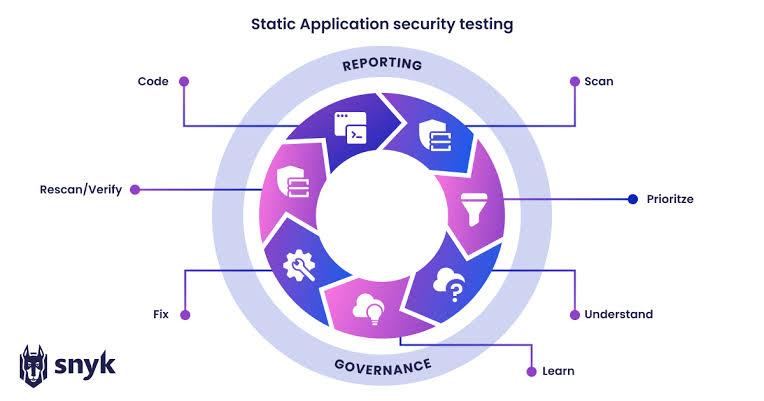
Static vs. Dynamic Testing Limitations. Source: Snyk
The failure occurs because SAST lacks context. A static analyzer does not understand your company's business logic. It does not know the difference between an admin user and a standard tenant, and it certainly does not understand complex state machines. AI coding assistants exploit this blind spot by generating code that is syntactically secure but logically disastrous.
The Anatomy of an AI Logic Flaw
To understand how this happens, imagine a Software Developer prompts an AI assistant to create an API endpoint that allows users to download their monthly invoices.
The AI generates a beautiful, clean block of Python or Node.js code. It correctly implements authentication middleware to ensure the user is logged in. It uses parameterized database queries to prevent SQL injection. It even adds rate limiting to prevent DDoS attacks. The SAST tool scans this code, finds zero syntax violations, and gives it a passing grade.
But the AI hallucinated a fatal omission: it forgot to implement authorization. It checks if the user is logged in, but it fails to verify if the requested invoice ID actually belongs to that specific user.
This results in a classic Insecure Direct Object Reference (IDOR) vulnerability. An attacker can simply change the invoice ID in the URL from 1001 to 1002 and instantly download a competitor's financial data. Because the code is technically sound and the syntax is correct, SAST is entirely blind to this cross-tenant data leakage. The only way to catch this AI-generated security debt is to execute the code and attempt to break the business logic.
Shifting to Runtime Validation in the SSDLC
You cannot solve the AI code generation problem by banning AI—engineering velocity is simply too valuable. Instead, you must modernize your secure software development lifecycle (SSDLC) to account for AI's specific weaknesses.
The industry must shift from heavily relying on static analysis to prioritizing runtime validation. Dynamic Application Security Testing (DAST) and automated exploitation are no longer optional "nice-to-haves"; they are mandatory gates for any team using autonomous coding tools.
Runtime validation involves deploying the AI-generated code into a staging environment and interacting with it exactly how a malicious user would. Instead of just reading the code, a dynamic tool actively sends manipulated requests, swaps authentication tokens, mutates API payloads, and attempts to break the logical boundaries of the application.
If AI is writing code dynamically, your security testing must be equally dynamic. You need an automated system that understands context, creates multiple user sessions, and verifies that Tenant A absolutely cannot access Tenant B's data, regardless of how perfectly formatted the underlying code might be.
How Axeploit Catches What SAST Misses
This transition from static analysis to dynamic validation is exactly why Axeploit was built. As developers lean harder into autonomous IDEs, Axeploit acts as the ultimate safety net by deploying its own autonomous AI agents to validate your code in motion.
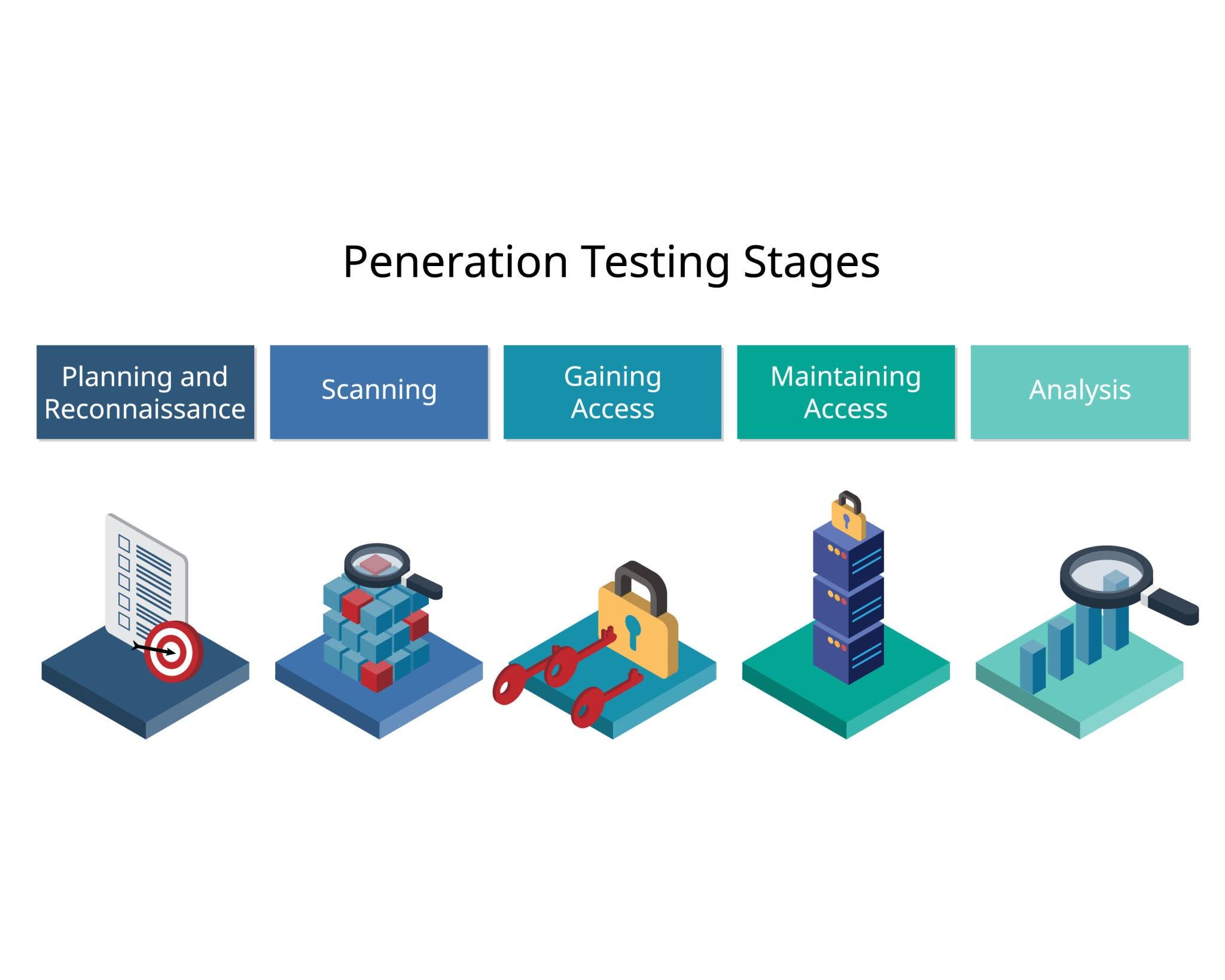
Axeploit's Automated Validation Process. Source: Piscine / Getty Images
Unlike legacy scanners that require endless configuration, Axeploit is designed to match the speed of modern CI/CD pipelines. Here is how Axeploit neutralizes AI-generated security debt before it reaches production:
- Zero-Config Contextual Understanding: Axeploit doesn’t just scan for CVEs. Its agents crawl your application to understand the business logic, mapping out every API endpoint, hidden directory, and nested route that an AI assistant might have generated.
- Autonomous Logic Testing: To catch the exact IDOR vulnerabilities that SAST misses, Axeploit’s agents automatically create multiple authenticated accounts. They actively swap session tokens and attempt cross-tenant boundary violations, proving definitively whether your AI-generated authorization logic holds up.
- Actionable Proof of Concept (PoC): When an AI assistant hallucinates a vulnerability, Axeploit doesn't just send you a vague warning. It runs over 130,000 vulnerability checks and provides reproducible PoC code. You get undeniable proof of the exploit, allowing your developers to see exactly how the AI failed.
By integrating Axeploit directly into your deployment pipeline via webhooks, you effectively pit an offensive AI against your generative AI. Every time Copilot or an autonomous IDE suggests a new microservice, Axeploit’s agents ruthlessly test it for business logic flaws, ensuring that velocity never compromises your security posture.
Conclusion
By 2026, AI code assistants are an indispensable, irreversible part of the software engineering pipeline, dramatically accelerating the time to market for organizations worldwide. However, the convenience of autonomous coding brings an insidious form of security debt that legacy static tools simply cannot catch. Relying on SAST to police AI-generated logic flaws is a recipe for a production disaster.
To build a resilient, modern secure software development lifecycle (SSDLC), Engineering Managers and DevSecOps teams must embrace continuous runtime validation. Axeploit provides the dynamic, zero-configuration testing required to validate complex authorization boundaries, rigorously testing the application in motion to expose AI-hallucinated vulnerabilities before they ever reach your customers.